Authentic Shami Kabab Recipe: Melt-in-Your-Mouth Pakistani Style
There is nothing quite like the experience of biting into a perfectly golden, intensely aromatic, and ultra-silky shami kabab. Originating from the historic royal kitchens of South Asia, this legendary snack has become an absolute cornerstone of festive spreads, family gatherings, and high-tea platters across the globe. A quintessential pakistani shami kabab recipe relies heavily on the precision of combining tenderized meat with nutty chana dal (split chickpea lentils) and a meticulous blend of aromatic whole spices. Unlike modern processed patties, an authentic shami kabab recipe delivers a distinctive fibrous texture that literally melts in your mouth, enveloped by a beautifully crisp, egg-dipped outer layer.
Whether you are looking to prepare a succulent batch of traditional beef shami kabab or prefer the lighter, quicker preparation of a chicken shami kabab, understanding the underlying culinary techniques is key to achieving perfection. Making an easy shami kabab at home does not mean compromising on its heritage flavor; rather, it is about simplifying the steps so you can stock your freezer with these versatile protein-rich delights. Today, at homekitchen, we are diving deep into the ultimate step-by-step masterclass to help you create bakery-style, restaurant-grade homemade shami kabab that stay moist on the inside while yielding that flawless outer crunch.
RECIPE INFORMATION SECTION
✦ Fluffy ✦ Crispy ✦ Authentic ✦ Pakistani Style
Prep Time: 25 min
Total Time: 75 min
Yield: 16-18 Servings
Difficulty: Medium
MANDATORY INFORMATIVE SECTIONS :
What is a Shami Kabab?
A shami kabab is a popular and sophisticated variety of meat patty that holds an esteemed position in Pakistani and broader South Asian gastronomy. Etymologically, some culinary historians suggest the name references the region of “Bilad al-Sham” (modern-day Syria), as royal chefs from that area brought refined cooking techniques to the Mughal empire’s imperial kitchens. Others believe it is named after the evening meal, “Shaam,” highlighting its status as the definitive tea-time snack.
The traditional method of preparing this dish sets it completely apart from other regional minced patties like Seekh or Chapli kababs. While those recipes utilize raw minced meat, a true authentic shami kabab recipe requires boiling boneless meat (traditionally beef, mutton, or water buffalo meat) completely from scratch along with pre-soaked chana dal, whole red chilies, garlic, ginger, and a complex mixture of whole garam masala spices. Once the mixture is cooked until the water completely evaporates, it is pounded to break down the meat fibers into long, thread-like structures (known as “resha”). This unique fibrous composition creates the iconic, delicate texture that allows the kabab to dissolve seamlessly upon consumption.
Why You’ll Love This Recipe?
Unmatched Authentic Texture: By avoiding food processors and utilizing traditional mashing techniques, this recipe guarantees the classic stringy, ultra-smooth texture that defines premium Pakistani households.
Perfect Freezer-Friendly Prep: This recipe is designed to make a massive batch. You can shape the patties, flash-freeze them on trays, and store them in airtight containers for up to 6 weeks for instant comfort food.
Highly Customizable Heat: Whether you choose to create an intense, fiery version for adult dinner parties or a milder rendition for kids’ school lunchboxes, the spice ratios can be tuned effortlessly without losing depth of flavor.
Ultimate Versatility: Serve them sizzling hot next to a bowl of mint-coriander chutney, sandwich them inside a toasted bun with an omelet to make a street-style Shami Bun Kabab, or pair them with comforting dal-chawal for an unforgettable meal.
RECIPE CORE SECTIONS:
Ingredients You Will Need:
To produce the most exceptional, aromatic homemade shami kabab, selecting your ingredients carefully is paramount. Here is a comprehensive breakdown of everything required for this legendary recipe:
The Meat Base: 1 kg boneless beef (preferably from the leg or shoulder for long fibers) or 1 kg boneless chicken breasts/thighs for a lighter chicken shami kabab variant. Ensure it is cut into medium-sized cubes.
The Binding Lentil: 250 grams Chana Dal (Split Chickpea Lentils), washed thoroughly and soaked in clean water for at least 2 to 3 hours to ensure even cooking.
The Aromatics: 2 medium onions (coarsely sliced), 2 tablespoons of whole garlic cloves, and 2 inches of fresh ginger root (scraped and sliced).
The Whole Spice Blend (Potent Bouquet): 12-15 whole dry button red chilies, 2 tablespoons whole coriander seeds, 1 tablespoon cumin seeds, 2 whole black cardamoms, 5-6 green cardamoms, 1 teaspoon whole black peppercorns, 4-5 cloves, and 2 medium cinnamon sticks.
Seasoning & Brightness: 1.5 teaspoons of fine sea salt (or to taste), 1 teaspoon turmeric powder, and 1 teaspoon garam masala powder.
Fresh Herb Elements (The Folding Mix): 1 cup of freshly chopped cilantro (coriander leaves), 1/2 cup of finely chopped fresh mint leaves, and 3-4 green chilies, deseeded and finely minced.
The Fluffy Egg Coating: 2 large eggs whisked thoroughly for dipping prior to pan-frying, plus 1 egg incorporated directly into the cooled meat dough for binding.
Frying Medium: 4-5 tablespoons of high-smoke point neutral vegetable oil or clarified butter (ghee) for classic shallow frying.
Step-by-Step Instructions:
1: Simmering the Meat and Lentils
In a large, heavy-bottomed stockpot or a pressure cooker, combine your cubed beef or chicken, the thoroughly soaked chana dal, sliced onions, whole garlic cloves, chopped ginger, and the entire array of whole dry spices (button red chilies, coriander seeds, cumin, cardamoms, peppercorns, cloves, and cinnamon sticks). Pour in approximately 3 to 4 cups of water if using a regular pot (or about 2 cups for a pressure cooker). Add the turmeric powder and salt. Bring the mixture to a rolling boil over medium-high heat, skimming off any foam that rises to the top.
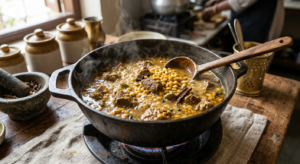
2: Evaporating the Moisture Completely
Reduce the heat to low, cover the pot tightly with a lid, and allow it to simmer for roughly 45 to 50 minutes (or 20 minutes under pressure) until the meat is incredibly tender and easily flakes apart with a fork, and the chana dal is completely soft but not muddy. At this stage, remove the lid, turn the heat back up to medium-high, and stir continuously. It is an absolute requirement that every single drop of excess water evaporates entirely from the pot. The mixture should resemble a dense, dry mass that cleanly pulls away from the sides of the pan.
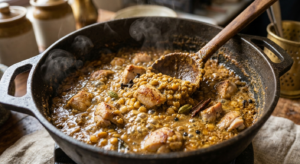
3: Extracting Spices and Traditional Mashing
Turn off the heat and let the mixture cool down slightly for 10 minutes. Go ahead and carefully fish out the large cinnamon sticks and black cardamoms, as their structural purpose is fulfilled and they shouldn’t end up in the final paste. For a true easy shami kabab texture that preserves the long meat strings, use a heavy potato masher or a traditional mortar and pestle (sil-batta) to mash the hot mixture down into a completely cohesive, fibrous paste. Avoid using a high-speed blender or food processor if possible, as it cuts the fibers and turns the mixture into a pasty puree rather than a stringy dough.
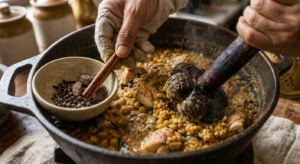
4: Incorporating Fresh Herbs and Shaping
Once the mashed dough has cooled completely to room temperature, crack one fresh egg into the mixture to act as an internal binder. Add the finely chopped cilantro, fresh mint leaves, minced green chilies, and the ground garam masala powder. Wash your hands thoroughly and mix the herbs into the dough until fully integrated. Lightly grease your palms with a drop of oil. Take a golf-ball-sized portion of the mixture, roll it into a smooth sphere, and gently press it down between your palms to shape it into a flat, round, smooth-edged patty about 2.5 inches in diameter and half an inch thick. Repeat until all the dough is shaped.
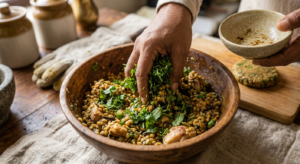
5: Masterful Shallow Frying
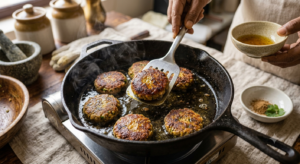
In a wide, non-stick skillet or a traditional cast-iron tawa, heat 3-4 tablespoons of vegetable oil or ghee over medium heat. In a shallow bowl, whisk two remaining eggs with a tiny pinch of salt until frothy. Dip each shaped kabab patty gently into the whisked egg, ensuring it is entirely coated on all sides. Carefully place the dipped patties into the shimmering hot oil. Fry for about 3 to 4 minutes on one side without moving them, allowing a beautiful, deep golden-brown, crispy crust to form. Carefully flip each patty over using a flat spatula and fry the reverse side for another 3 minutes. Drain on paper towels and serve immediately.
Expert Secret Tips for Success:
The Water Check Constraint: The primary reason kababs fall apart in the frying pan is residual water in the cooked meat mix. If your mixture feels too wet or sticky, add a tablespoon of roasted gram flour (besan) to absorb the excess moisture before shaping.
Preserve the Resha: Always mash the meat while it is warm. Cold meat hardens and won’t shred cleanly, ruining the coveted silkiness.
The Perfect Binding Law: If you plan to freeze the kababs, do not fold the fresh raw onions into the dough, as onions release moisture over time when thawed. Stick exclusively to fresh herbs for the freezer batches.
Nutritional & Health Benefits:
From an analytical health perspective, a professionally prepared pakistani shami kabab recipe offers exceptional, dense nutritional functionality that ranks high for health-conscious diners. It is an excellent source of clean, high-biological-value protein, critical for lean muscle mass maintenance, cellular repair, and long-term satiety. The inclusion of chana dal provides complex, slow-digesting carbohydrates along with a rich dose of soluble dietary fiber. This dietary fiber slows down glucose absorption, ensuring a steady, prolonged release of energy with a minimal glycemic response.
Furthermore, the medicinal spices infused within the kabab act as potent natural bio-enhancers. Ginger and garlic contain high concentrations of gingerols and allicin respectively, which are clinically proven to exhibit strong anti-inflammatory, antimicrobial, and cardiovascular-protective properties. Cumin and black pepper stimulate pancreatic enzymes, fundamentally optimizing gastrointestinal digestion and nutrient absorption. Turmeric adds curcumin, a heavy antioxidant that neutralizes free radicals in the human cellular system.
6. CONCLUSION
If you absolutely fell in love with this authentic shami kabab masterclass, please take a quick second to share this recipe link with your food-loving family and friends on Instagram, Facebook, and Pinterest! Don’t forget to bookmark and subscribe to homekitchen to get your daily dose of premium, tested, SEO-optimized culinary inspiration delivered straight to your inbox. Drop a comment below to let us know how your batch turned out, or ask our culinary team any questions you might have. Happy cooking!
Leave a Reply