The Masterclass Guide to Dhaba Style Daal Mash: Sifting Fact from Sticky Fiction
If you want to recreate the true essence of traditional roadside eateries right in your own kitchen, this authentic dhaba style daal mash is your ultimate choice. Across South Asia, roadside eateries, popularly known as dhabas, have carved a massive niche for themselves. Their food isn’t just about survival; it is an emotion, characterized by smoky aromas, liberal use of wholesome fats like clarified butter (ghee), and a balance of spices that leaves you craving for more.
Mash ki daal (also known as skinned white urad dal or white lentils) is an incredibly popular and highly celebrated dish across South Asian cuisine, revered for its unique aroma and distinctively non-sticky texture. Unlike other lentils that are cooked down into a creamy, homogeneous porridge-like consistency, a premium quality daal mash stands out because every single grain remains separate, elongated, and firm, yet completely tender to the core.
However, home cooks often struggle with the lentils turning out too mushy, sticky, or frankly uninspiring. Achieving that perfect, restaurant-grade separation of grains requires specific culinary techniques that dhabas have kept secret for decades. In this extensive guide, we are revealing the ultimate culinary secrets to ensure your lentils turn out perfectly separate, beautifully coated in spiced oil, and aromatic every single time.
This daal mash recipe is remarkably simple to follow once you understand the underlying principles of lentil behavior. Its rich, buttery, and heavily spiced tempering (tadka) sets it completely apart from everyday home cooking. Whether you are planning a weekend family dinner or trying to impress guests with an authentic subcontinental feast, this detailed recipe walkthrough on homekitchen will ensure your dish shines. Let’s get cooking!
Recipe Information Section:
✦ Fluffy ✦ Crispy ✦ Authentic ✦ Pakistani Style
Prep Time: 20 min
Total Time: 50 min
Yield: 4 Servings
Difficulty: Medium
Mandatory Informative Sections:
What is Daal Mash?
Daal mash, scientifically known as Vigna mungo, refers to skinned and split black gram, which yields a beautiful ivory-white lentil. Originating deep within the Indian subcontinent, this specific lentil has been cultivated and consumed for thousands of years. Historically, it was a staple in royal Punjabi kitchens as well as humble agricultural households due to its rich protein content and agronomic resilience.
The traditional method of preparing a pakistani daal mash recipe relies heavily on the concept of bhuna (intensive pan-frying) and dum (slow steam-cooking). Unlike standard lentil preparations that involve pressure cooking everything into a soup, the traditional dhaba style dictates that the dal must be boiled separately to a precise level of firmness before being tossed into a vigorously cooked aromatic base. This two-stage cooking process prevents the starches from gelatinizing, yielding the signature “khili-khili” (separated grain) texture that defines luxury street food.
Why You’ll Love This Recipe?
The Perfect Texture: No more sticky or slimy lentils. This recipe guarantees perfectly distinct, fluffy grains that melt in your mouth.
Dhaba-Level Aromatics: By utilizing traditional tempering techniques (tadka) with ginger juliennes and whole spices, your kitchen will smell exactly like a high-end Punjabi restaurant.
Highly Customizable: You can easily adjust the spice levels, substitute cooking oil with pure desi ghee, or turn it into a vegan masterpiece.
Nutrient-Dense Comfort: It balances pure, decadent comfort-food flavors with a powerhouse profile of plant-based proteins, dietary fibers, and essential minerals.
Ingredients You Will Need:
For the Lentil Preparation:
Daal Mash (White Urad Dal): 1.5 Cups (Pick high-quality, unpolished lentils. They must be thoroughly washed and soaked).
Water: For boiling.
Turmeric Powder (Haldi): 1/2 teaspoon (Added during boiling for a subtle base color).
Salt: 1 teaspoon (To season the core of the lentils).
For the Rich Masala Base:
Cooking Oil / Ghee: 1/2 Cup (Dhabas use a generous amount of fat to prevent sticking; a mix of oil and butter works beautifully).
Onion: 1 Medium, very finely chopped (Avoid using onion paste, as chopped onions build a better texture for fry daal mash).
Tomatoes: 2 Medium, converted into a smooth puree or incredibly finely diced.
Ginger-Garlic Paste: 1.5 Tablespoons (Freshly pounded paste yields much more aroma than store-bought options).
The Ground Spice Assembly:
Red Chilli Powder: 1 teaspoon (Adjust according to your heat tolerance).
Coriander Powder: 1 teaspoon (Adds earthy depth to the gravy).
Cumin Powder: 1 teaspoon.
Garam Masala Powder: 1/2 teaspoon (A aromatic blend of cardamom, cloves, cinnamon, and black pepper).
Dried Fenugreek Leaves (Kasuri Methi): 1 teaspoon (The ultimate secret to giving any dish a true ‘restaurant’ aroma).
Salt: To taste (Keep in mind we already add salt while boiling).
Finishing Touches & Garnishing:
Green Chillies: 3–4 medium-sized, slit lengthwise.
Fresh Coriander: 1/2 cup, finely chopped.
Ginger: 1-inch piece, sliced into paper-thin matchsticks (julienned).
Lemon: 1 whole lemon, cut into wedges.
Step-by-Step Instructions:
1: The Art of Washing, Soaking, and Parboiling
The journey to a flawless dhaba style daal mash begins long before the stove is lit. White urad dal contains a high concentration of surface starches, which can cause the lentils to become slimy during the cooking process if not handled correctly.
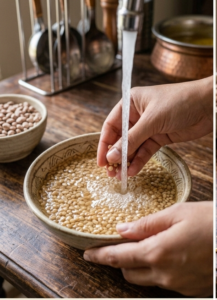
Place 1.5 cups of the raw lentils into a wide bowl and rinse them under cold running water. Massage the grains gently with your fingers. Drain and repeat this process at least 3 to 4 times until the rinse water remains completely clear.
Submerge the washed lentils completely in clean water and let them sit undisturbed for a minimum of 2 to 3 hours. Soaking allows the grains to absorb moisture evenly, reducing actual stove time and ensuring the inside cooks at the exact same rate as the outside.
Once soaked, drain the soaking water completely. Bring a large, deep pot filled with water to a rolling boil. Stir in 1 teaspoon of salt and 1/2 teaspoon of turmeric powder. The turmeric ensures the lentils lose their pale complexion and emerge with a gorgeous, soft golden tint.
Gently slide the soaked lentils into the boiling water. Keep your stove on a medium-high setting. Do not cover the pot entirely, as lentil water tends to froth and boil over quickly.
The Golden Rule: Monitor the pot closely. You need to boil the lentils until they are exactly 80% cooked. Test a grain by pressing it between your thumb and index finger; it should slide apart and flatten with a bit of resistance at its center, rather than turning into instant mush. This usually takes anywhere between 12 to 15 minutes.
Immediately pour the contents of the pot through a large colander or sieve, allowing all the starchy boiling water to drain away completely. Gently shake the colander to cool the lentils slightly, stopping the residual cooking process, and set them aside.
2: Crafting the Bhuna Masala Base:
A great daal mash recipe relies entirely on how well you build the base flavors. Dhabas use a process called “Bhuna,” which means frying the aromatics intensively until the water content evaporates completely, leaving a highly concentrated paste.
Place a heavy-bottomed wok or traditional karahi on your stove over medium heat. Pour in 1/2 cup of cooking oil or ghee. Allow the oil to become shimmering hot.
Introduce your finely chopped onions into the hot fat. Sauté them continuously. Watch the transition carefully: they will go from translucent to soft, and eventually to a uniform, light golden-brown hue. Avoid letting the edges char, as burnt onions impart a bitter note to the delicate lentils.
Drop in the 1.5 tablespoons of ginger-garlic paste. Sauté this mixture for exactly 60 to 90 seconds. The raw, pungent smell of garlic will fade away, replaced by an intensely sweet, comforting kitchen aroma.
Pour in the fresh tomato puree. Give it a quick stir to combine with the onions.
Immediately lower your heat slightly and add the dry spice assembly: red chilli powder, coriander powder, cumin powder, and a touch of salt.
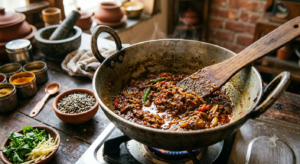
Cook this mixture thoroughly. As the tomatoes break down and fuse with the dry spices, the water will dry up. You will know the masala is perfectly cooked when the oil or ghee visibly separates from the paste, forming small glistening pools along the edges of the pan. This visual cue proves the raw flavors have been thoroughly neutralized.
3: Integration and the Magic of “Dum”
Now comes the delicate phase where the elements fuse together without destroying the structural integrity of our daal mash.
Gently tip your parboiled, drained lentils into the shimmering masala base.
Switch to using a flat wooden spatula or silicone spoon. Using a standard metal spoon with sharp edges can chop the soft lentils into pieces. With a very gentle, circular lifting motion, fold the lentils into the masala sauce for 2 to 3 minutes. Ensure every single grain of lentil is beautifully coated in the spiced oil mixture.
Pour roughly 1/4 cup of warm water around the edges of the pan. This creates just enough steam to complete the remaining 20% of the cooking process without waterlogging the dish.
Evenly scatter the slit green chillies, dried fenugreek leaves (Kasuri methi) crushed between your palms, and the aromatic garam masala powder right on top of the lentil bed. Do not mix them in yet; letting them sit on top allows the rising steam to carry their oils deep into the lentils.
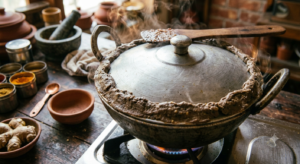
Seal the pan tightly with its lid. Turn your stove down to its absolute lowest setting—the “dum” phase. Let the dish slow-cook in its own trapped steam for 8 to 10 minutes. During these precious minutes, the pores of the lentils expand, drinking in the spiced fats, salt, and tomato tang deep into their cores.
Expert Secret Tips for Success:
The Acid Factor: Never add lemon juice or raw tomatoes too early to your white urad dal recipe. Acids slow down the breakdown of plant starches, meaning your lentils will take twice as long to soften. Always add them once the initial boil or masala breakdown is completed.
The Importance of Pan Choice: Use a wide, open-mouthed pan rather than a deep, narrow pot for the final stages. A wide surface area distributes the weight of the ingredients evenly, preventing the lentils at the bottom from getting crushed under their own weight.
Mastering the Ghee Float: If you want that identical restaurant gleam, heat an extra tablespoon of pure desi ghee separately with a few slices of fresh ginger and a pinch of Kashmiri red chilli powder. Pour this sizzling hot tempering right over the top of the dish as you uncover the lid from the steam phase.
Nutritional & Health Benefits:
Lentils are an exceptional addition to a balanced, health-conscious lifestyle. Incorporating mash ki daal into your regular dietary rotation provides massive physiological benefits:
High-Quality Plant Protein: White urad dal is an outstanding source of vegetarian protein, containing roughly 25g of protein per 100g of raw lentils. This makes it crucial for muscle repair, cellular development, and metabolic health.
Incredible Dietary Fiber: Packed with soluble and insoluble dietary fibers, it aids significantly in regulating digestion, stabilizing blood glucose levels, and preventing harmful cholesterol absorption in the gut.
Abundant in Essential Minerals: It is naturally loaded with iron, magnesium, copper, and potassium. Iron boosts hemoglobin production to combat fatigue, while potassium works actively to regulate healthy blood pressure levels across the cardiovascular system.
Conclusion:
When you lift the lid off your pan after the slow-steaming process, your kitchen will fill with an unforgettable fragrance. Your aromatic, rich, and mouthwatering dhaba style daal mash is completely ready! The oil will have risen to the surface, and the lentils should look plump, distinct, and deeply caramelized.
To present this dish professionally, transfer it gently into a shallow serving bowl. Garnish beautifully with a generous handful of fresh chopped coriander, thin ginger matchsticks, and fresh lemon slices. For the ultimate experience, it pairs magnificently with hot tandoori roti, smoky garlic naan, or soft homemade chapatis.
We want to hear from you! Did you try this step-by-step culinary guide? Let us know how your dal turned out in the comments down below! Don’t forget to subscribe to homekitchen.blog for your daily dose of premium recipes, and share this post with your fellow food enthusiasts on Instagram, Facebook, and Pinterest! Happy cooking!
Leave a Reply